
Master Nutrition-Focused Cooking Methods
Discover how the way you cook directly impacts the nutritional value of your meals. Learn evidence-based techniques that preserve vitamins, minerals, and antioxidants while creating delicious food for you and your family.
The information on this site is for educational purposes only and does not constitute medical advice. Always consult a qualified healthcare professional before making health decisions.
Why Cooking Method Matters
Nutrient Retention
Different cooking methods affect vitamin stability and mineral bioavailability. Gentle techniques preserve more of what makes food valuable.
Flavor & Taste
Proper cooking techniques enhance natural flavors without relying on excess salt or added fats, making nutritious meals genuinely enjoyable.
Digestibility
Cooking methods that balance heat exposure can improve how your body absorbs and processes nutrients from the foods you eat.
Everyday Practicality
These methods work with real kitchens and busy schedules. Learn sustainable approaches that fit into your actual life, not just cookbooks.
The Five Essential Methods
Steaming
One of the gentlest cooking methods available. Steam transfers heat through moisture rather than direct contact, preserving heat-sensitive water-soluble vitamins like B vitamins and vitamin C. Ideal for vegetables, fish, and grains.
- Minimal nutrient loss
- No added fat needed
- Easy cleanup
Roasting
Dry heat cooking that concentrates flavors and can increase bioavailability of certain compounds like lycopene in tomatoes. The key is moderate temperature and timing to prevent excessive nutrient breakdown while developing complex flavors.
- Enhanced bioavailability
- Concentrated flavors
- Minimal active monitoring
Boiling
Traditional method with mixed nutritional outcomes. Some water-soluble nutrients leach into cooking water, but this water can be reused in broths and soups. Best used for grains, legumes, and foods where retaining cooking liquid is practical.
- Recoverable nutrients
- Great for broths
- Softens tough foods
Low-Temperature Slow Cooking
Gentle sustained heat that breaks down connective tissues while minimizing nutrient degradation. Slow cooking at lower temperatures helps preserve heat-sensitive compounds while creating highly digestible meals.
- Preserves delicate nutrients
- Improves digestibility
- Minimal monitoring needed
Raw & Light Preparation
Raw preparation maximizes heat-sensitive vitamins and living enzymes. Works beautifully for salads, smoothies, and fermented foods. When you do use heat, keep it minimal—quick sautés, brief blanching, or room-temperature soaking.
- Maximum enzyme content
- Full vitamin profile
- Quick preparation
Fermentation & Enzymatic Methods
Ancient techniques that don't use heat at all. Fermentation creates beneficial microorganisms, enhances nutrient bioavailability, and develops complex flavors. Includes kimchi, sauerkraut, kombucha, and traditional fermented vegetables.
- Enhanced bioavailability
- Beneficial microorganisms
- Long shelf life
Steam vs. Boiling: A Direct Comparison
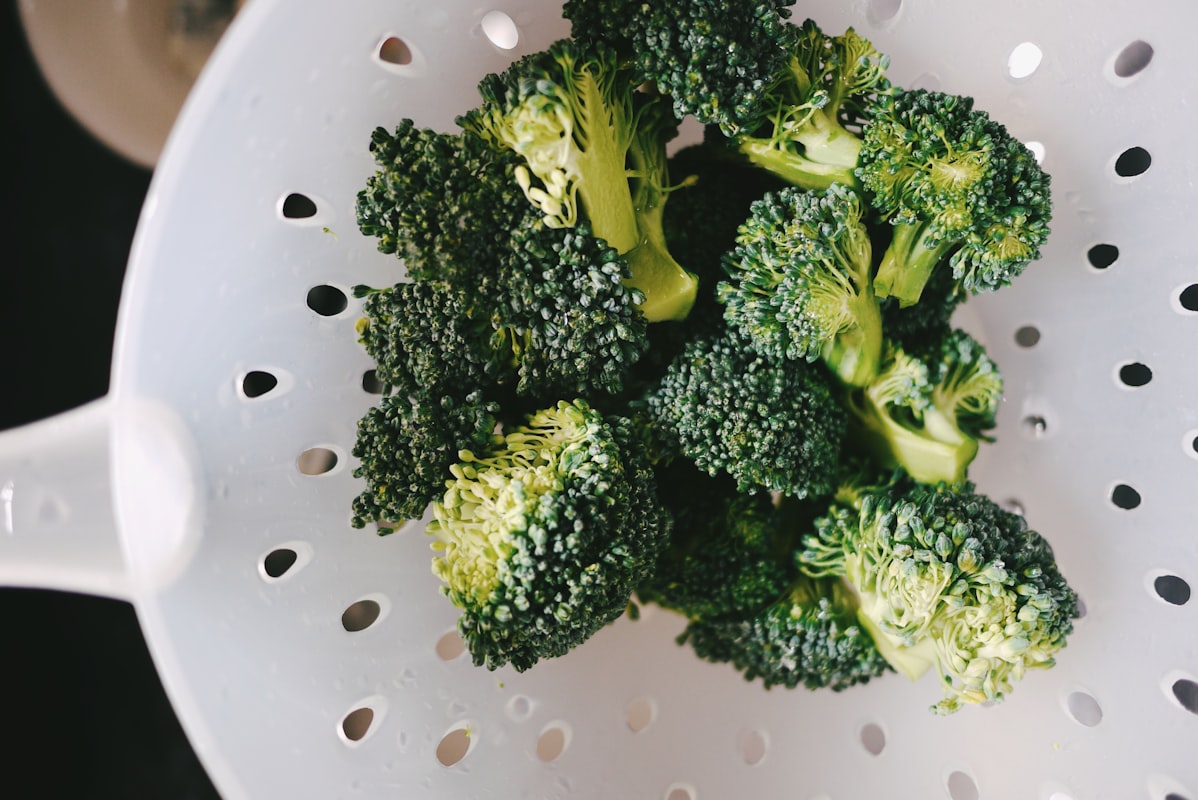
Steaming
Steaming keeps vegetables above boiling water, exposing them to hot steam rather than direct water contact. This method dramatically reduces nutrient loss because water-soluble vitamins don't have the opportunity to leach into cooking liquid.
- ✓ Vitamin C: Retains 85-90% versus 50-60% with boiling
- ✓ B Vitamins: Minimal loss due to no water contact
- ✓ Color & texture: Vegetables stay vibrant and crisp
- ✓ Time: Faster than boiling for most vegetables
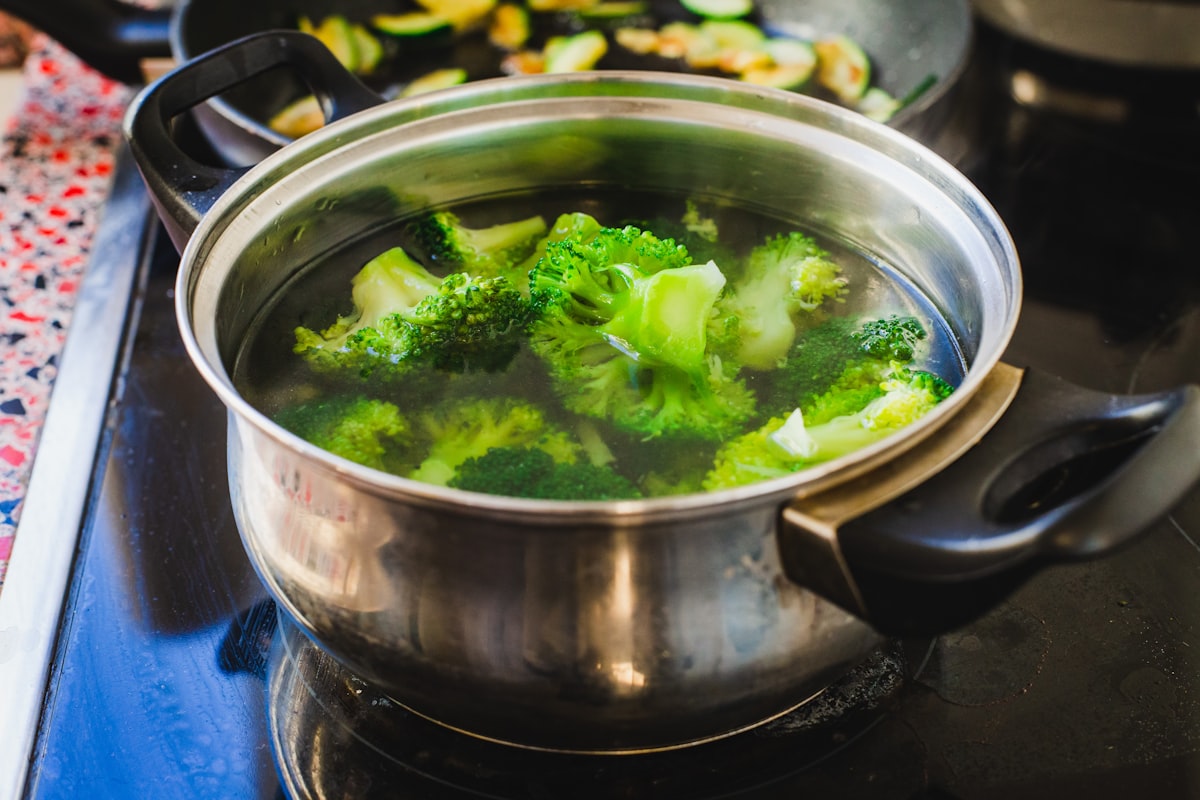
Boiling
Boiling submerges food directly in water, which dissolves and removes many water-soluble nutrients. However, this method has been used successfully for centuries when the cooking water is recovered for broths, soups, and sauces.
- ⚠ Vitamin loss: 40-60% of water-soluble vitamins lost to water
- ✓ Nutrient recovery: Cook water becomes mineral and nutrient-rich broth
- • Best for: Grains, legumes, where broth use is planned
- • Traditional wisdom: Never discard cooking water in traditional cuisines
Your Step-by-Step Journey
Understand Your Goals
Identify what matters most to you: maximum nutrient retention, flavor development, ease of preparation, or digestibility. Different methods excel at different objectives. Consider your current diet and which improvements would make the biggest difference for you and your household.
Start with One Method
Pick one technique to master first—steaming is ideal for beginners since it's intuitive and highly forgiving. Use the method consistently for one week with different vegetables and proteins. Notice the flavors, textures, and how you feel after eating. Build confidence before adding more techniques.
Build Your Toolkit
Gradually add complementary methods. Combine steaming with light sautéing, roasting with herb infusions, or boiling with broth recovery. Observe how different food combinations respond to different techniques. Create a personal reference guide of what works best for your favorite ingredients.
Common Questions About Cooking & Nutrition
Most vegetables are optimally steamed for 5-8 minutes until tender-crisp. Leafy greens need just 2-3 minutes, while denser vegetables like broccoli or cauliflower may need 8-10 minutes. The key is stopping before they become mushy. Use a fork test: vegetables should be easily pierced but still have slight resistance. Overcooking destroys nutrients faster than the cooking method itself. Experiment with timing to find your preferred texture while keeping cooking time minimal.
Both have distinct advantages. Raw vegetables retain heat-sensitive vitamins like vitamin C and B vitamins, plus living enzymes. Cooked vegetables become easier to digest, making some nutrients more bioavailable—for example, lycopene in cooked tomatoes is more readily absorbed than in raw tomatoes. The ideal approach is variety: eat some vegetables raw in salads and smoothies, and cook others gently. Include both raw and cooked vegetables in the same meal for complementary benefits. Your gut health benefits from this combination.
Absolutely. Vegetable cooking water contains minerals and water-soluble vitamins that leached during cooking. This "potlikker" or vegetable broth is nutrient-dense and should never be discarded. Use it as a base for soups, risotto, grains, or sauces. Store it in the refrigerator for up to 3 days, or freeze it for later. This practice recovers nutrients that would otherwise be wasted and adds subtle vegetable flavor to your next meal. It's a cornerstone of traditional cooking in many cultures.
For optimal nutrient retention combined with flavor development, roast at moderate temperatures: 160-180°C (320-350°F) for most vegetables and proteins. This range allows the Maillard reaction (which creates flavor complexity) without excessive heat damage to nutrients. Higher temperatures (200°C+) cook faster but increase nutrient loss and create more reactive compounds. Lower temperatures preserve more nutrients but can result in pale, less flavorful food. Roasting time varies: tender vegetables need 20-30 minutes, heartier ones 40-50 minutes. Toss halfway through for even cooking.
Beyond food safety considerations, proper cooking should preserve your food's nutritional integrity. For vegetables, aim for tender-crisp: easily pierced with a fork but still holding shape and color. For proteins, use a meat thermometer to avoid overcooking, which degrades amino acid structures and heat-sensitive vitamins. Trust your senses: vegetables should smell vibrant and look bright, not dull. Properly cooked food should taste flavorful without tasting "cooked to death." When in doubt, it's better to undercook slightly and reheat gently than to overcook initially, as reheating at lower temperatures is less damaging than initial overcooking.
Yes. Leafy greens benefit from minimal heat or raw preparation. Cruciferous vegetables (broccoli, cabbage) benefit from steaming to preserve sulforaphane compounds. Tomatoes and carrots release more lycopene and beta-carotene with gentle heating. Legumes require longer cooking to break down lectins, making slow cooking ideal. Grains benefit from absorption cooking methods. Fish and delicate proteins need brief, gentle cooking. Bone broth requires hours of low-temperature simmering. Learn about the specific food's nutritional profile and choose your method accordingly. The complexity of real food means there's no one-size-fits-all method—versatility is the solution.
What People Are Discovering
"Once I switched from boiling to steaming vegetables, I noticed an immediate difference in taste and color. My vegetables taste more vibrant, and I feel like I'm actually getting the nutrition I'm paying for. These methods aren't complicated—just better informed choices."
Marco Rossi
Bologna, Italy
"I learned that I wasn't recovering cooking water from vegetables. Since I started using vegetable broth in my soups and grains, I've felt more energized and I'm wasting less. It's such a simple practice but it changes everything about how I cook."
Lucia Ferrara
Milan, Italy
"I've always struggled with meal planning, but the Vitalfoodhabits approach has made it so much easier. By focusing on whole foods and simple preparation methods, I spend less time in the kitchen and feel better than ever. The recipes are practical and actually taste great!"
Marcus Chen
Vancouver, Canada
Ready to Transform Your Eating Habits?
Join thousands of people who've discovered the power of simple, whole-food nutrition. Start your journey to better health today.
Frequently Asked Questions
We recommend focusing on whole, unprocessed foods: fresh vegetables, fruits, legumes, whole grains, nuts, seeds, and high-quality proteins. Minimize processed foods, refined sugars, and artificial additives. The key is choosing foods in their most natural state.
Most people notice improvements in energy levels within 1-2 weeks of adopting Vitalfoodhabits. Digestive improvements often follow within 3-4 weeks. Significant changes in weight, strength, and overall health typically appear within 2-3 months of consistent practice.
Yes! Our approach is flexible and can be adapted for vegetarian, vegan, keto, paleo, and other dietary choices. The core principle—eating whole, nutrient-dense foods—remains the same regardless of dietary preference. We provide options for all lifestyles.
No. Vitalfoodhabits is all about simple cooking. A sharp knife, a few basic pots and pans, and a cutting board are enough to get started. Our recipes emphasize straightforward techniques that anyone can master, regardless of cooking experience.
Consistency comes from making habits sustainable. Start small, prep ingredients on weekends, keep your kitchen stocked with staples, and focus on foods you genuinely enjoy. Progress over perfection is our motto—celebrate small wins and be patient with yourself.
Vitalfoodhabits
Transforming lives through simple, whole-food nutrition and sustainable eating practices.
Resources
© 2024 Vitalfoodhabits – P.IVA: IT57760852318. All rights reserved. | Privacy Policy | Terms of Service