
Master Nutrition-Focused Cooking Methods
Learn science-backed cooking techniques that preserve nutrients and enhance food quality. Discover how preparation methods impact what your body actually absorbs from every meal you prepare.
The information on this site is for educational purposes only and does not constitute medical advice. Always consult a qualified healthcare professional before making health decisions.
Why Cooking Methods Matter
Nutrient Retention
Different cooking techniques affect how many vitamins and minerals your body can absorb. Learn which methods preserve the most nutritional value in your daily meals.
Heat Sensitivity
Temperature control is crucial. Some nutrients thrive with gentle cooking while others need higher heat. Understanding this balance transforms your kitchen into a nutrition laboratory.
Food Quality
Beyond nutrition, cooking methods influence taste, texture, and food safety. Quality preparation ensures you get both maximum benefit and genuine enjoyment from every meal.
Core Cooking Methods Explained
Low-Temperature Techniques
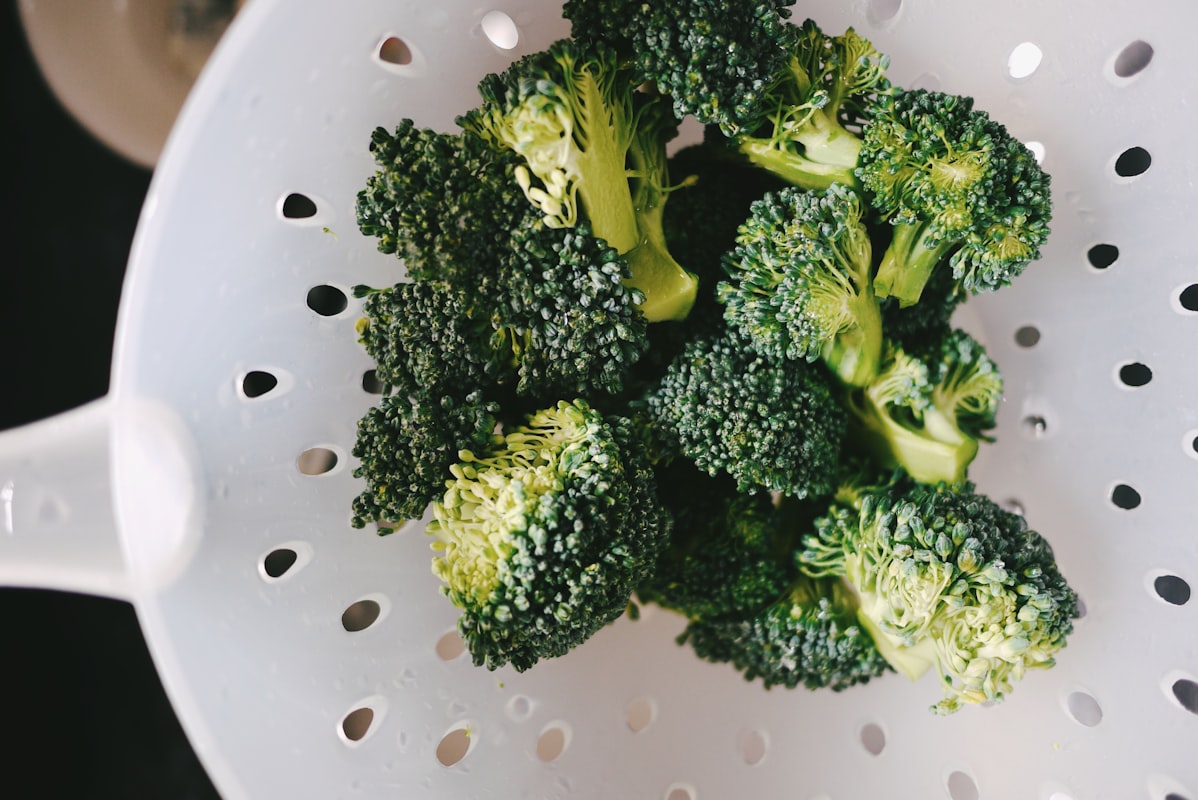
Gentle heat applications preserve heat-sensitive vitamins like B vitamins and vitamin C. Steaming, poaching, and slow cooking at temperatures below 60°C maintain enzyme activity and bioavailability of nutrients.
These methods work especially well for vegetables, fish, and delicate proteins. The longer cooking time at lower temperatures actually enhances mineral absorption while keeping food texture intact.
- Steaming preserves up to 90% of water-soluble vitamins
- Poaching maintains protein structure without oxidation
- Slow cooking breaks down collagen into beneficial gelatin
High-Heat Methods
Roasting, grilling, and stir-frying at 150°C and above trigger beneficial chemical reactions. The Maillard reaction creates flavor compounds and can increase the bioavailability of certain nutrients like lycopene in tomatoes.
However, excessive heat creates compounds that may interfere with nutrient absorption. The key is finding the balance—quick cooking at high temperatures maintains texture and develops nutrition-enhancing flavors.
- Roasting increases antioxidant availability in vegetables
- Grilling creates flavor without added fats
- Stir-frying preserves vegetables while enhancing digestibility
How We Help You Cook Better
Learn Science-Backed Techniques
Our detailed guides explain the nutritional science behind each cooking method. Understand not just what to do, but why—giving you confidence to adapt techniques to your ingredients and goals.
Access Tested Recipes
Every recipe incorporates optimal cooking methods for maximum nutrition. From quick weeknight meals to weekend cooking projects, our collection covers the full range of practical kitchen applications.
Build Better Habits
Transform your daily cooking with practical knowledge. Small changes in how you prepare food can significantly impact nutrient absorption and overall food quality, making a real difference in your wellness journey.
Join Our Community
Connect with others passionate about nutrition-focused cooking. Share experiences, ask questions, and learn from home cooks and food enthusiasts building better eating habits together.
What Home Cooks Are Saying
"I never realized how much my cooking method affected the nutritional value of my meals. After learning about low-temperature steaming, my family actually tastes the difference—and I feel better knowing they're getting more nutrients. The recipes are practical and easy to follow, even on busy weeknights."
Marina Rossi
Bologna
"As someone interested in nutrition, I love that Vitalfoodhabits explains the 'why' behind cooking techniques. The science is fascinating and actually changes how I approach meal prep. I've started experimenting with different methods for different ingredients, and the results speak for themselves."
Paolo Vitali
Milan
"My kids were skeptical about 'healthier cooking,' but they genuinely enjoy the meals now. The roasted vegetables have incredible flavor, and knowing that we're preserving more nutrients makes me feel like I'm doing something meaningful for their health. Great content and very inspiring."
Giulia Marchetti
Venice
"I've been cooking for years, but I learned more about food quality and nutrition from these guides than anywhere else. The explanations are clear, the recipes are delicious, and it's genuinely helped me understand how to maximize the value of the ingredients I buy. Highly recommend."
Antonio Fermi
Rome
Frequently Asked Questions
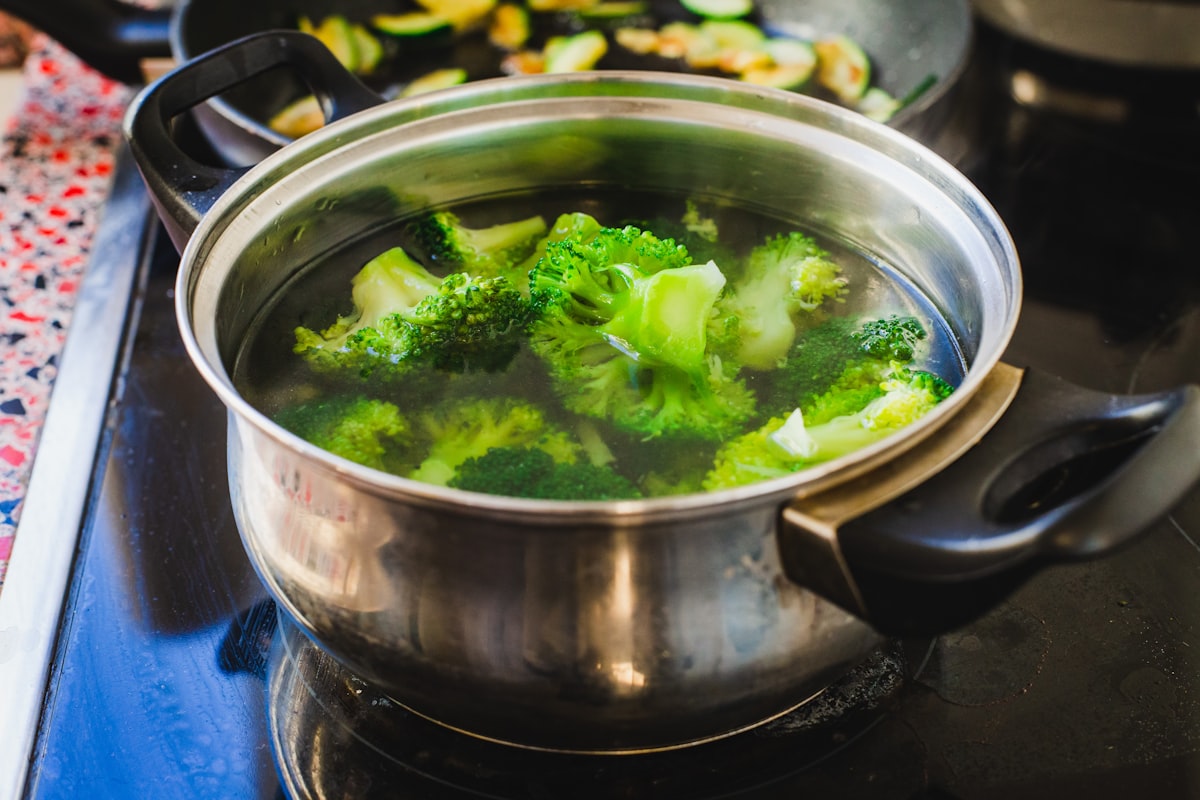
Steaming suspends food above boiling water, so nutrients aren't leached into liquid. Boiling submerges food directly in water, causing water-soluble vitamins like B vitamins and vitamin C to dissolve away. For vegetable cooking, steaming typically preserves 80-90% of nutrients compared to 40-50% with boiling. The shorter cooking time in steaming also helps maintain texture and flavor compounds.
Not necessarily. While some heat-sensitive vitamins may decline slightly, roasting at moderate temperatures (around 200°C for 20-30 minutes) actually increases the bioavailability of certain nutrients. For example, roasted tomatoes have higher lycopene availability. The Maillard reaction that creates roasted flavor also creates beneficial compounds. The key is avoiding excessively high temperatures and monitoring cooking time to prevent burning.
Nutrient retention depends on both temperature and duration. Generally, shorter cooking times preserve more heat-sensitive vitamins. However, some nutrients like lycopene become more available with moderate cooking. The sweet spot for most vegetables is 5-7 minutes of steaming or 15-20 minutes of gentle roasting. Overdone vegetables lose both nutrients and flavor. Our cooking guides specify optimal times for each ingredient and method.
Absolutely. Many techniques work excellently for meal prep. Slow cooking and gentle roasting are particularly good for batch cooking—they develop deep flavors that actually improve during storage. For maximum nutrition, prepare components separately and assemble close to eating time. Steamed vegetables refrigerate well for 3-4 days. Our recipe collection includes many meal-prep friendly options with storage guidance.
Basic kitchen tools are usually enough. A steamer basket or bamboo steamer, a sharp knife for quick prep, and a reliable oven thermometer help significantly. A slow cooker is optional but useful for hands-off cooking. High-quality cookware with good heat distribution matters more than fancy gadgets. Most of our recipes work with standard kitchen equipment. We provide equipment suggestions in detailed guides for specific methods.
Start Mastering Nutrition-Focused Cooking Today
Explore our complete collection of cooking methods, recipes, and nutrition guides. Learn how to prepare food that nourishes your body while delighting your taste buds.